Event Planning Process: 6 Steps and a Checklist for Businesses
A clear event planning process is what keeps a conference, grand opening or gala dinner on time, on budget and free of last-minute firefighting. Whether for 50 or 1,000 guests, the steps are almost the same: set goals, plan, prepare, rehearse, run the event and review. The difference lies in how detailed each step is.
This article sets out the 6-step process, a preparation timeline and an event checklist that businesses can use to run an event themselves or to work with an organizer. If you would rather hand over the whole job, take a look at BGroup’s full-service event organization service.
Overview of the 6-step event planning process
A corporate event usually goes through 6 steps in this order:
- Define goals, audience and budget.
- Develop the concept and the event plan.
- Choose the venue and suppliers and complete paperwork.
- Prepare content, communications and logistics.
- Rehearse and run the event.
- Review, evaluate and follow up after the event.
In the event planning process, skipping or rushing any step pushes risk onto the next one: unclear goals mean the script keeps changing, and no rehearsal easily leads to technical problems during the programme.
Step 1: Define goals, guests and budget
Before thinking about the stage or concept, answer three questions clearly:
- What is the event for? A product launch, customer appreciation, internal review, conference or opening. Each goal has its own measure: number of guests, contracts signed, media coverage, satisfaction.
- Who is attending? Numbers and profile (internal, partners, international guests, delegates), plus travel and accommodation needs.
- What is the budget? Fix the total budget and contingency at the outset, instead of adding up each item and adjusting later.
The result of the first step in the event planning process is a 1–2 page brief: goals, timing, scale, audience, budget and the final decision-maker.
Step 2: Develop the concept and the event plan
From the brief, the project team builds the concept and the overall event plan , including:
- Concept and key message.
- Outline agenda and the length of each part.
- List of items: venue, stage, sound and lighting, catering, gifts, staff, MC, photography and videography.
- Budget estimate by item.
- Owners and deadlines for each task.
- Risks and backup plans.
For year-end parties, see BGroup’s Year End Party script for a detailed programme.
Step 3: Choose the venue and suppliers and complete paperwork
The venue drives most of the cost and experience. When surveying, check capacity for your layout, ceiling height, power load, equipment access, parking, a rain plan and when you can start setting up.
At the same time, confirm suppliers by contract or written confirmation, stating set-up and dismantling times.
Note on permits for artistic performances
If the programme includes artistic performances, businesses need to check the notification or approval requirements under the regulations on performing arts activities (Decree 144/2020/ND-CP and amending documents). Under this decree, performances held internally for an agency or organization must be notified in writing to the competent authority at least 05 working days before the event. Confirm with the local culture authority before going ahead.
Step 4: Prepare content, communications and logistics
This is the stage with the most tasks in the event planning process. Split it into three groups to keep track:
- Content: a minute-by-minute script, MC lines, speeches, slides, videos, the guest list and order of introductions.
- Communications: invitations, registration form, printed materials (backdrop, standees, name badges), photo and video plan.
- Logistics: floor plan, seating, transfers, accommodation, special meals, gifts, medical support.
Tip: keep a single “master file” with the task list, owners, status and document links, so the whole team works from one version.

Step 5: Rehearse and run the event
Rehearsal is the step most often cut from the event planning process, yet it catches most problems. At a minimum, test the technical side (microphones, video, lighting), the order of people going on stage and the positions of speakers and award presenters.
On the day of the event:
- One event director holds the master script and makes final decisions.
- Each area (reception, stage, technical, catering) has an owner, communicating by walkie-talkie.
- Keep a 5–10 minute buffer in the script to handle issues without delaying the whole programme.
BGroup shares specific lessons from international conferences in Hue in our article on full-service international conference organization in Hue.
Step 6: Review and evaluate after the event
The event planning process does not end when guests leave. Within 1–2 weeks after the event:
- Send thanks, photos and a short survey to guests.
- Compare results against the goals from step 1 and reconcile actual costs against the budget.
- Record lessons learned (what went well, what to fix) for next time.
Preparation timeline for the event planning process
Preparation time depends on scale and complexity. The table below gives reference milestones for a corporate event of around 100–300 guests:
| Timing | What to complete |
|---|---|
| 6–8 weeks before | Finalise brief, budget and date; survey and reserve the venue |
| 4–6 weeks before | Finalise concept, outline agenda and main suppliers; send invitations |
| 2–4 weeks before | Design printed materials, detailed script and videos; complete required paperwork |
| 1 week before | Finalise guest list, seating plan and set-up timeline; send guest reminders |
| 1–2 days before | Set up stage and equipment; technical and programme rehearsal |
| Event day | Morning team briefing, run to the script, handle issues |
| 1–2 weeks after | Thank guests, survey, reconcile costs, review lessons |
For international conferences or events combined with travel, the event planning process needs to start earlier to secure rooms and flights.
Event checklist to review before showtime
Review the event checklist below at the rehearsal and at the start of event day:
- ☐ Final detailed script sent to the MC, technical team and department heads.
- ☐ Microphones (including spares), batteries, speakers and screens tested.
- ☐ Videos and slides tested on the actual presentation computer; backups ready.
- ☐ Guest and delegate list and order of introductions finalised.
- ☐ Seating plan, name cards and signage in the right places.
- ☐ Gifts and commemorative medals arranged in presentation order.
- ☐ Catering: number of meals, service times and special meals confirmed with the restaurant.
- ☐ Backup plans: generator or backup power, rain plan (if outdoors), medical support.
Common mistakes when applying the event planning process
- Booking the venue before fixing goals and guest numbers: it ends up too cramped or too big.
- No final decision-maker: the script keeps changing until the last day.
- Skipping rehearsal and contingency budget: small problems become big ones.
Frequently asked questions about the event planning process
How far in advance should a corporate event be prepared?
For events of around 100–300 guests, start 6–8 weeks ahead. Small internal events can be done in 3–4 weeks; international conferences or events combined with travel need much more lead time.
When should you hire a professional event organizer?
When the event has external delegates, partners or international guests, technical stage requirements, or when the internal team does not have enough time. An organizer standardises the event planning process, manages suppliers and runs the event on site.
Do you need a permit if the event includes performances?
It depends on the programme: internal performances require prior notification, while other cases may need approval. Check with the local culture authority.
BGroup – event company in Hue and Da Nang
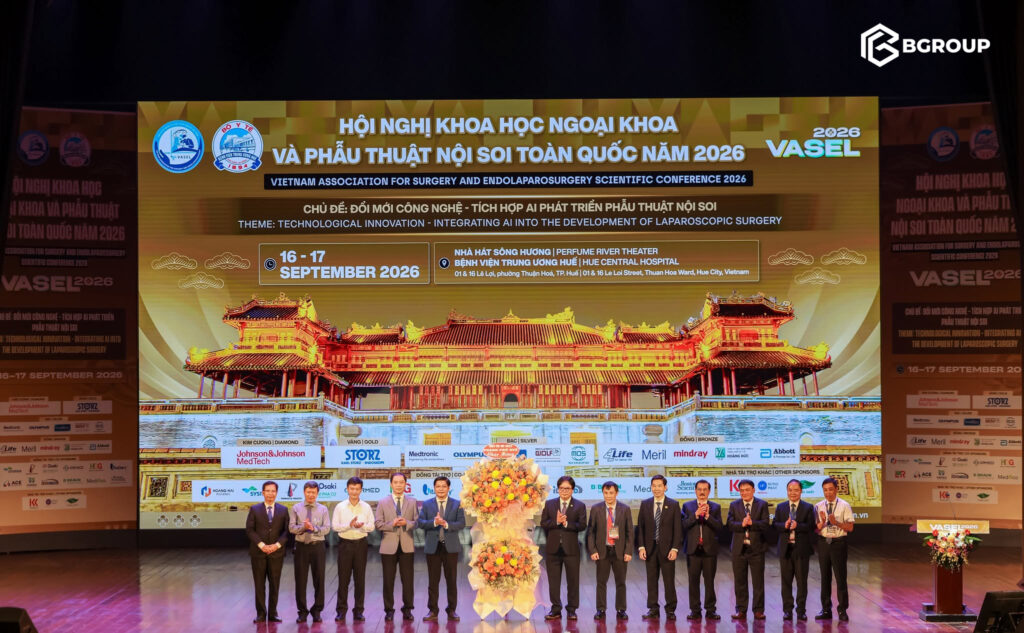
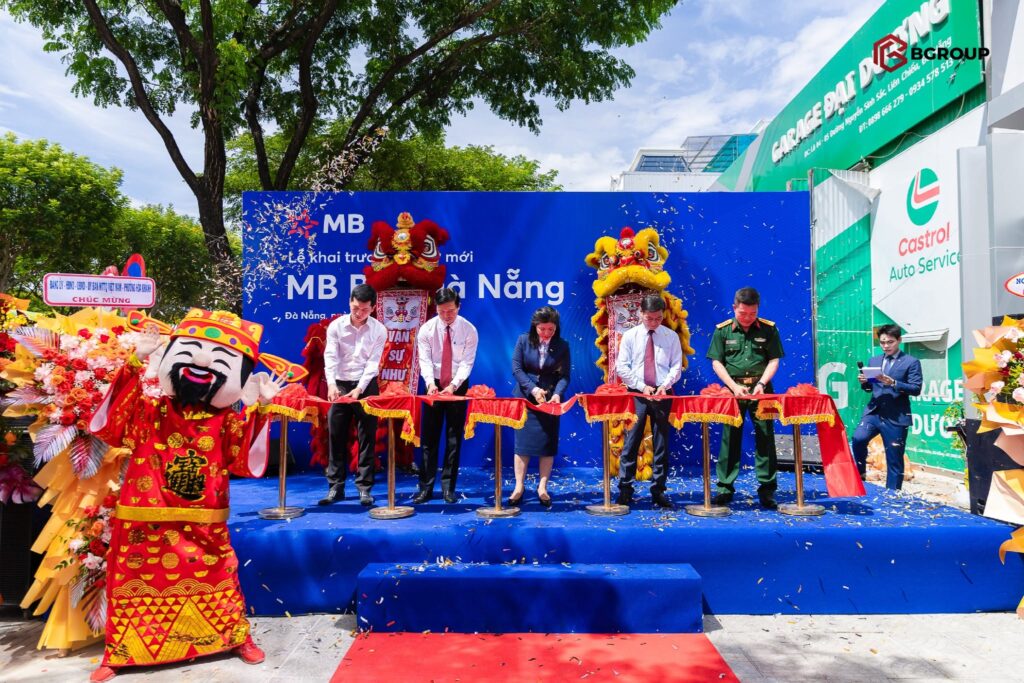
BGroup is an event company in Hue, delivering conferences, seminars, gala dinners, grand openings and corporate events in Hue, Da Nang and Central Vietnam. We have worked on ELSA 2026, VASEL 2026, the Vietnam – Japan Local Cooperation Forum 2026 and the opening of MB Bac Da Nang’s headquarters. For year-end parties, see our full-service Year End Partypackage.
Planning your next event? Get a quote for your event or contact BGroup, call 0972 502 119 for advice on the right process and approach.