
10 CRITERIA FOR BUILDING AN SEO-FRIENDLY WEBSITE AND AN OPTIMIZED SITEMAP FOR GOOGLE
An SEO-friendly website needs a well-structured architecture and an optimized sitemap to help Google crawl and understand its content more effectively. Let BGROUP help you build a sustainable website foundation that improves your visibility and ranking potential.

10-POINT CHECKLIST FOR AN SEO-FRIENDLY WEBSITE
Building an SEO-friendly website requires more than an attractive interface. It must also meet important technical and user experience standards. Below are the key criteria that BGROUP reviews before delivering or optimizing a website.
Google SEO Starter Guide – is an official resource published by Google to help beginners understand the fundamentals of website optimization. It provides core principles for making websites more accessible to search engines while improving the user experience.
1. Clear Website Structure
– The website should follow a logical hierarchical structure, making it easy for both users and Google to navigate between categories, services, and articles.
2. Complete XML Sitemap
– An XML sitemap helps Google discover and crawl website content more efficiently, especially for websites that regularly publish new content.
3. SEO-Friendly URLs
– URLs should be concise, descriptive, and include relevant keywords where appropriate, while avoiding unnecessary characters or parameters.
4. Effective Internal Linking
– Internal links help users discover related content while helping Google understand the website structure and distribute SEO value across important pages.
5. Optimized Page Speed
– A fast-loading website improves user experience, reduces bounce rates, and can contribute to better search performance.
Learn more: How to Test and Optimize Website Performance
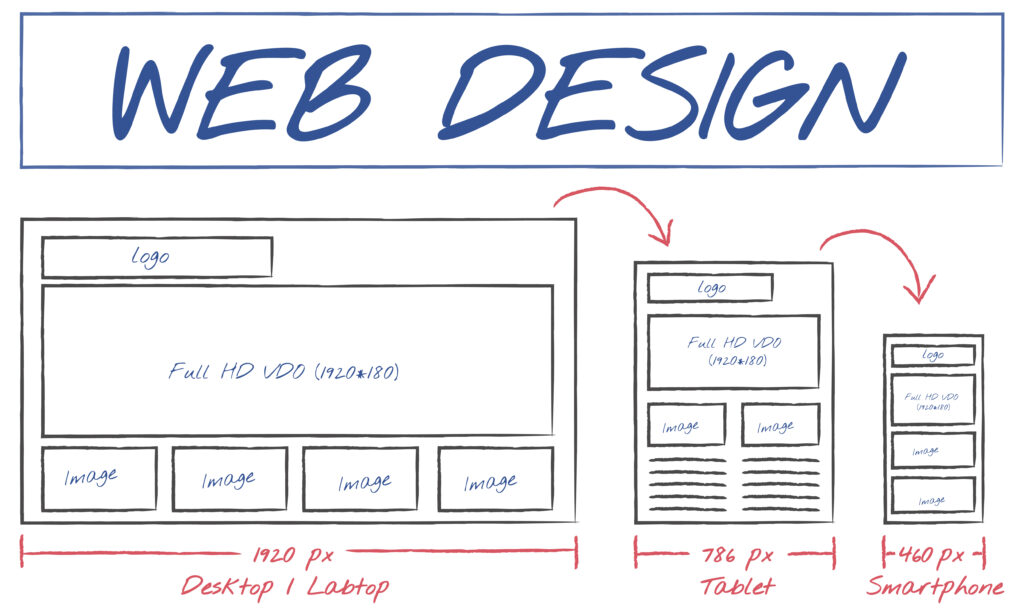
6. Mobile-Friendly Design
– Most users now access websites through mobile devices. Therefore, websites should display properly across different screen sizes to ensure a consistent user experience.
7. HTTPS Security
– An SSL certificate helps protect user data and contributes to building trust in the website.
8. Optimized Core Web Vitals
– Metrics related to content loading speed, responsiveness, and visual stability directly affect user experience and can influence overall SEO performance.
Learn more: How to Test and Optimize Website Performance
9. High-Quality Content That Matches Search Intent
– Each piece of content should address the user’s search intent, incorporate keywords naturally, and provide genuine value.
10. Regular Monitoring and Optimization
– An SEO-friendly website is not a one-time project. Regularly monitoring data, updating content, and improving performance helps maintain search visibility and support sustainable growth.
– Optimization tool – Google Search Console
A well-planned website structure from the beginning makes it easier for businesses to optimize and expand their websites with new services, articles, or landing pages in the future.
Among these elements, the XML sitemap plays an important role in helping Google understand the website structure and discover content more efficiently. Therefore, creating a properly structured sitemap is an essential step toward sustainable SEO.
WHAT ROLE DOES A SITEMAP PLAY IN WEBSITE OPTIMIZATION?
During the website optimization process, an XML sitemap can be viewed as a “map” that helps Google discover important pages more efficiently.
A properly structured sitemap can:
– Help Google discover and crawl content more efficiently.
– Support the indexing of new content.
– Reduce the risk of important pages being overlooked.
– Make it easier to manage websites as the number of pages grows.
For businesses that regularly update news, services, or project pages, a sitemap is an important element to consider for maintaining long-term SEO performance.
WHY SHOULD BUSINESSES INVEST IN AN SEO-FRIENDLY WEBSITE FROM THE START?
Optimizing a website from the beginning can save businesses significant time and costs in the future.
A well-structured website can:
– Help Google understand the website more effectively.
– Support sustainable and effective SEO implementation.
– Make it easier to expand content across different business areas.
– Improve the user experience.
– Increase the potential for converting organic traffic into customers.
Instead of having to restructure the entire system later, businesses can build a solid foundation that is ready to support long-term growth strategies.
BGROUP – YOUR PARTNER IN BUILDING SEO-FRIENDLY WEBSITES
A website can only reach its full potential when it is built on a strong technical foundation. From SEO-friendly website architecture and sitemaps to internal linking systems, every element contributes to improving search visibility on Google and reaching potential customers.
BGROUP works alongside businesses throughout the process of designing, optimizing, and developing SEO-friendly websites, creating a sustainable foundation for long-term Digital Marketing strategies.
CONTACT US TODAY FOR A PROFESSIONAL WEBSITE DESIGN CONSULTATION → START HERE