Low-Season Strategy for Hotels in Hue: Protect Occupancy, Keep Your Team
Low season in Hue – usually the rainy months at the end of the year – is when many boutique hotels see occupancy fall while operating costs keep pressing. The short answer: instead of relying on discounts alone, hotels should combine four moves at once – target the guest segments that still travel in this period, build packages that suit the weather, control costs without cutting into the guest experience, and use the quieter weeks to upgrade the team and systems. Below are practical steps hotel owners in Hue and Da Nang can apply right away.
Why Hue’s low season needs its own plan
Hue is clearly seasonal: pure leisure demand tends to drop in the heavy-rain months, while conferences, corporate events and business travel continue. Da Nang runs on a slightly different rhythm but is also affected by end-of-year storms. When a hotel uses one sales strategy all year, these problems appear quickly:
- Repeated OTA discounts drag the average daily rate down and make it hard to raise prices again in high season.
- Rushed cuts to staff or services lower service quality and review scores.
- Segments that still have demand – business travellers, conference groups, domestic weekend guests – are missed.
A good low-season plan should be prepared months in advance, not improvised once occupancy has already fallen.
1. Identify the guests who still travel in low season
Start with your own booking data from previous years: which channels guests came from, why they travelled, how many nights they stayed and how far ahead they booked. In Hue, the segments worth focusing on in low season usually include:
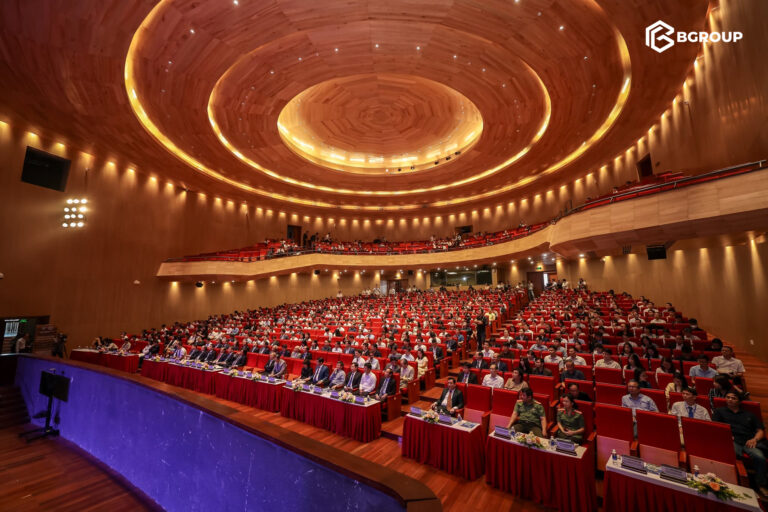
- Business travellers and conference groups: Hue hosts a growing number of professional events, such as ELSA Annual Congress 2026 (17–19 September 2026) with more than 1,000 delegates from 37 countries. Events like this create room demand outside the leisure peak.
- Domestic short-break guests: families and groups of friends looking for a quiet getaway, Hue cuisine and cultural experiences.
- Corporate groups on company trips, year-end parties or annual review meetings.
- Slow-travelling international guests who enjoy Hue’s calmer, less crowded atmosphere in the rainy season.
Each segment needs a different message and channel, so choose two or three priority segments rather than trying to sell to everyone.
2. Design packages that suit the rainy season
Guests visiting Hue in the rainy season rarely come for the pool or full-day outdoor tours. They need a reason to stay longer and feel comfortable inside the hotel. Package ideas include:
- Multi-night stays with late breakfast, afternoon tea or a Hue food experience.
- Business packages: airport transfers, express laundry, a quiet workspace and easy invoicing.
- Weekend packages for domestic guests, with suggested heritage visits timed around drier hours.
- Group packages for conferences or companies, coordinated with the event organiser.
Rather than cutting room rates directly, packages help you hold your published rate, raise perceived value and grow non-room revenue. For seasonal pricing and channel optimisation, see our article on hotel revenue management and OTA optimisation for boutique hotels.
3. Sales channels and marketing in low season
Approach corporate clients proactively
This is the right time to meet companies, associations and conference organisers in Hue to present group rates and accommodation contracts. A single group contract can fill many rooms on otherwise quiet dates.
Grow direct bookings
Refresh your website and Google Business Profile with new photos, rainy-season offers and clear contact details. Post content about Hue in the rainy season on your social pages, and reach past guests by email or message with a return-stay offer.
Keep your OTA listings sharp
Don’t let your OTA pages go into hibernation. Low season is the time to update photos, descriptions and flexible cancellation policies, and to reply to every guest review.
4. Control costs without hurting the guest experience
Cost pressure is real, but cuts should be selective:
- Sell rooms by floor or wing to save on electricity, water and housekeeping time.
- Schedule shifts against weekly occupancy forecasts instead of rushing to cut permanent staff.
- Review supplier contracts and consumption standards for amenities and food.
- Protect the key touchpoints: a warm front-desk welcome, clean rooms and a well-run breakfast.
Low-season guests still leave reviews on OTAs and Google, and those reviews directly affect revenue in the next high season.
5. Use low season to prepare for high season
With fewer guests, the team finally has time for tasks that usually get postponed:
- Refresher training for front office, housekeeping, shift handovers and complaint handling.
- Room maintenance and checks on electrical, plumbing, air-conditioning and equipment.
- New photography and updated content for the website and OTA listings.
- A full-year review, new targets and a pricing plan for the coming season.
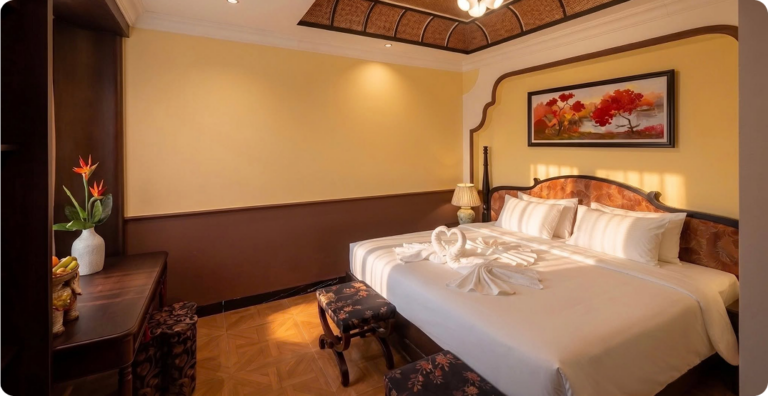
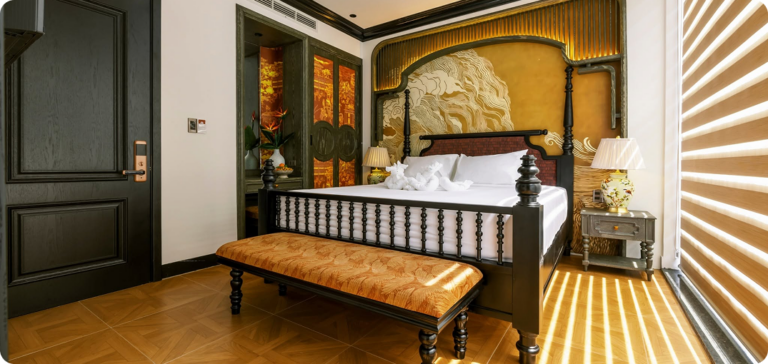
For new hotels, this is also a good window to standardise operations. At Cao Boutique Hotel – a 24-room Indochine-style hotel in Hue – BGroup joined at the pre-opening stage as hotel management, strategy and marketing partner, focusing on standard operating procedures and a consistent brand experience. A solid operating foundation like this helps a hotel respond with confidence as the market shifts through the seasons.
Frequently asked questions
When is low season for hotels in Hue?
Usually the rainy months at the end of the year, but it varies with each hotel’s guest mix. The most reliable answer comes from your own occupancy and booking data over several years.
Should we discount heavily to protect occupancy?
Discounts may be needed at certain moments, but they should not be the only tool. Packages, group rates and direct-booking offers help protect your average rate and avoid struggling to raise prices when the season returns.
Does a small hotel need a management company for low-season planning?
Not necessarily. Many owners can do it themselves with data and time. A management partner is useful when the owner needs support across sales, operations and marketing at once, or wants someone to track performance reports regularly.
Plan your low season with BGroup
If you run a hotel in Hue or Da Nang and want a clear plan for the low season, BGroup’s hotel management services team can review your data, sales channels and operating procedures with you. Contact BGroup or call 0972 502 119 to discuss your hotel.